
Prudence Marzinotto
Google’s Shift to Default AI Mode: How Can Hotels Stay Visible?
When Google’s lead product manager Logan Kilpatrick suggested that “AI Mode” will soon become the default for search, it signals a fundamental shift in how travellers discover hotels, book stays, engage with brands and make decisions, and carries even more weight with Google’s long-standing dominance in the search market.
For hoteliers, spas and F&B operators, the headline might have felt like: “Uh-oh, fewer clicks, more uncertainty.” But when you dig deeper and apply a value-first mindset to your brand, you see an opening.
Let’s break this down: what’s changing, why it matters for hospitality, and, critically, what hotels can do right now to lean into this, not shy away.
The Shift: What “AI Mode” Means
Google distinguishes two things:
- AI Overviews: short, automatically generated summaries that appear above traditional search results.
- AI Mode: a more advanced, conversational, interactive search experience focusing on complex, multi-step queries rather than simply “find me a hotel in Sydney.”
If AI Mode becomes the default:
- Users may get direct answers and stay inside the search interface rather than clicking through to websites.
- The visibility model shifts: fewer “organic clicks” means brands will need to be cited as authoritative sources, appear in AI conversational results, and be referenced by the system.
- Paid visibility is likely to evolve. Google has already trialled ads in AI Overviews, and AI Mode may see new ad formats tied to longer, more conversational queries meaning hotels and hospitality brands who lean into that early will gain a competitive edge.
Why This Matters for Hospitality
1. Discovery and Direct Bookings Are Under a New Lens
Your hotel’s website, your gift-voucher solution, your local search listings all have relied on driving traffic via clicks, favourable rankings, and conversions once people arrive. But when travellers are asking: “What are five boutique hotels in Byron Bay with late check-out and pet-friendly rooms?” or “Find a hotel near Auckland’s waterfront with a spa and parking”, the “answer engine” might just give them a condensed best-option list without sending them anywhere.
That means fewer clicks, but more emphasis on being the answer. For your brand, that’s a pivot: You’re not just optimising for keywords, you’re optimising to be referenced.
2.Brand Trust, Local Relevance, and Authority Come to the Fore
In this new model, the algorithms care less about whether you rank #1 for “hotel Sydney CBD” and more about whether you’re the trusted source for “pet-friendly hotel Sydney CBD”. If your website, reviews, listings, local content, structured data and brand signals are inconsistent, outdated or weak, the AI could misrepresent you.
Conversely, if you have strong brand-authority, consistent listings across Google Business Profile, regional directories, glowing reviews, and helpful content, you’ll stand out in these new answer-driven results.
3. New Metrics, New Proxies for Success
Tracking “click-through rate” and “rankings” is still valid, but they become less of the story. In AI Mode, you might not get the click at all (the answer is given), so your conversion funnel needs to shift upstream. Being cited matters. Brand mentions, structured data citations, local SEO authority, and user-sentiment become key metrics.
Why This Is Actually Good News
Hotels who move now will lead the pack.
- Opportunity for differentiation: Most hotels still treat SEO as “rank for these keywords”. This shift rewards those who invest in being authoritative, helpful and direct. If you sharpen your brand voice, local expertise, and content specifically designed for “answer engine” contexts, you’ll stand out.
- Better alignment with user behaviour: Travellers increasingly expect quick answers (“Which hotel has a rooftop bar and free parking in Melbourne?”). If your content provides that in a conversational, user-centric way, you meet them where they are.
- Stronger direct-book funnels: If you’re being cited as the “trusted answer”, you strengthen the chain from recommendation to booking. The fewer intermediary steps (OTAs, generic results), the more control you regain.
- First-mover advantage: With many hospitality operators lagging in these evolving trends, you have the chance to jump ahead.
Actionable Moves for Hotels
Here are concrete actions for your hotel brand to lean into this shift:
1.Refresh your content into “answer-first” format.
- Create pages or blog posts that directly answer typical guest questions (“Which rooms have spa access and sea view?”, “What’s the most pet-friendly room type?”, “Which hotel offers early check-in and late checkout on weekends?”).
- Use clear headings, bullet points, structured schema markup (FAQ, Q&A, Hotel schema) so Google’s AI can easily parse your content.
- Update older content so it stays accurate, useful, and aligned with your brand voice.
2.Boost brand-authority and local signals.
- Ensure your Google Business Profile listing is fully optimised, with up-to-date photos, correct amenities, and consistent reviews.
- Actively gather authentic guest reviews and respond to them.
- Build strong local directory mentions in the regions you target to amplify your local footprint.
- Create content referencing regional context (“Auckland waterfront boutique hotel near Viaduct Basin”) to strengthen your local relevance.
3.Track and adapt to new visibility metrics.
- Add brand-citation tracking into your reporting: how often is your hotel mentioned online (blogs, reviews, Q&A sites) in a way that AI might pick up?
- Monitor landing-page behavioural metrics (time-on-page, scroll depth) rather than solely click numbers.
- Pay attention to how your hotel shows up in conversational or answer-type results via “people also ask,” “related searches,” and AI-generated summaries.
4. Test paid-visibility options in AI contexts.
- Even though paid ads in AI Mode are still emerging, allocate a small budget to test early. Position offers or brand-messages that align with guest-intent questions rather than generic keywords.
- Focus on higher-intent conversational queries (“Find a hotel with airport shuttle and rooftop pool in Gold Coast”) rather than broad “holiday hotel” terms.
5. Embed storytelling and brand personality.
- Your brand voice matters more than ever. Because AI is giving condensed answers, you want those answers to reflect you. Use your brand tone (authentic, grounded, direct) in FAQs, summaries, and guest-facing copy.
- Emphasise unique attributes (your hotel’s heritage, local experience, spa offering, F&B precinct) in a way that a generic site won’t replicate.
What the Future Might Bring
As Google moves further into an AI-first search experience, a few hospitality-specific trends are likely on the horizon:
- Hyper-personal queries: Guests might ask “hotel in Brisbane CBD with vegan breakfast, reunion room for 20 and 24-hour check-in” and expect a single curated answer. If your hotel supports that combination, you’ll need to have content + schema that match.
- More in-interface booking flows: If AI search surfaces your hotel as a recommended answer and allows booking or quoting without leaving the page, you’ll need to ensure your direct booking experience is seamless, mobile-optimised, and aligned with your brand.
- Voice and conversational search surging: As AI assistants become more integrated (through voice, chat), hotels will need to ensure their content speaks the way humans ask questions, not just the way SEO people write keywords.
- Authority becomes currency: Infrastructure like schema markup, guest-review richness, brand mentions, and local listings will increasingly determine whether the AI “trusts” you as an answer.
Adapt Early, Build Trust, Own the Answer
The shift to Google AI Mode in search is not inherently bad for hotels. If you treat it as an evolution of how guests discover and interact you reclaim control by being the answer, not just a ranking result.
Because when the future search behaviour becomes “I ask, the answer appears”, the hotels who owned the answer will get preferred visibility, more direct bookings, greater guest loyalty and sustainably higher revenue.
Jump in early. Own your narrative. Optimise for authority and trust. The guests who ask the nuanced questions will find you and that means more direct revenue, more engaged bookings, and a stronger brand going forward.

Prudence Marzinotto
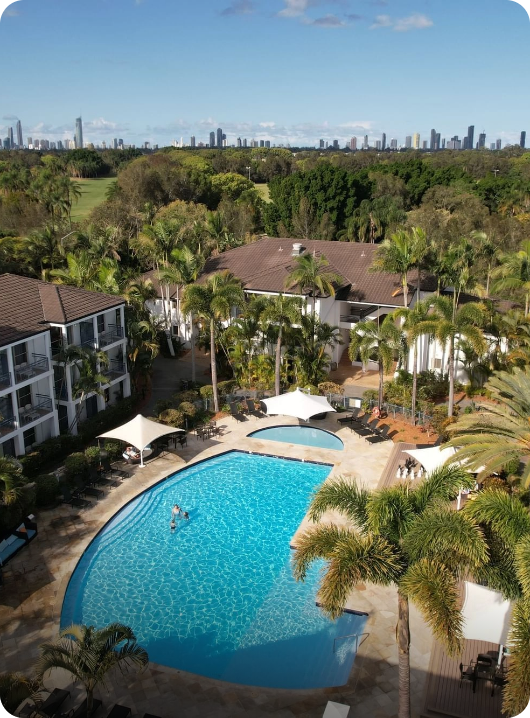
Transforming Mercure Gold Coast Resort
Long term growth,
BIG RETURNS.
+$2,484,063
Achieved in 6-years.
“Working with HyperHotels for over 10 years has been a game changer for us. Their team truly understands the hospitality industry, and their website solutions have driven significant direct revenue growth. I couldn’t ask for a better partner to help us succeed online.”

DIANE KERINS
General Manager
Millennium Hotel & Resort Manuels Taupo